History
The success of national development turned into a disaster when Indonesia was hit by a series of social, economic, and political crises. The failure of the New Order government to overcome these crises awakened the nation to call for democracy in the social, economic, and political fields. Led by students, the people took to the streets and called for "Reformasi" or change. This movement bore fruit with the fall of the New Order government led by President Soeharto and the appointment of Vice President Prof. Dr. Ing. Dr. Sc.h.c. Bacharuddin Jusuf Habibie as the third President of the Republic of Indonesia.
Democracy
Through a systematic, comprehensive, and unified process, he developed a concept that embodied proactive and preventive interpretation of democracy as a political machine. This concept was then implemented in various political agendas, such as:
- Freedom of assembly
- Free and fair elections
- Freedom of speech
- Freedom of the press
- Freedom of association, especially in labor unions and political parties
- Recognition of differences of opinion
- Efforts to create effective and efficient governance free from corruption, collusion, and nepotism—in other words, good and clean governance
- Respect for legal institutions and other institutions established on democratic principles
- Release of political prisoners
- Separation of the Police Force from the Armed Forces
The Habibie Center was established by Bacharuddin Jusuf Habibie and his family as an independent, non-governmental, and non-profit organization. Its vision is to advance modernization and democratization in Indonesia based on morality, cultural integrity, and religious values.
To create a democratic society both culturally and structurally that recognizes, respects, and upholds human rights, while also examining and addressing issues related to democracy and human rights development.
- "To create a democratic society both culturally and structurally that recognizes, respects, and upholds human rights, while also examining and addressing issues related to democracy and human rights."
- Improve human resource management and encourage the spread of technology.

Logo Meaning
The vision and mission of The Habibie Center are embodied in its logo. The logo consists of 4 pillars representing the foundation of The Habibie Center, namely:
Culture
Democracy
Technology
Justice (Human Rights)
Organizational Structure
Meet the leaders, researchers, and staff who drive The Habibie Center. Select a card to view the full profile.
Board of Trustees
4Board of Advisors
3Board of Supervisors
4Board of Directors
3Board of Experts
2Board of Executives
3Institute for Democracy and Human Rights
1Institute for Democracy through Science, Technology and Innovation
5Institute for Democracy, Economy and Ecology
1Maritime Continent Institute
1Associate Fellow
25Researchers and Program Officers
18Communications
3Administration and Finance
7No results
Try another keyword or clear the search.
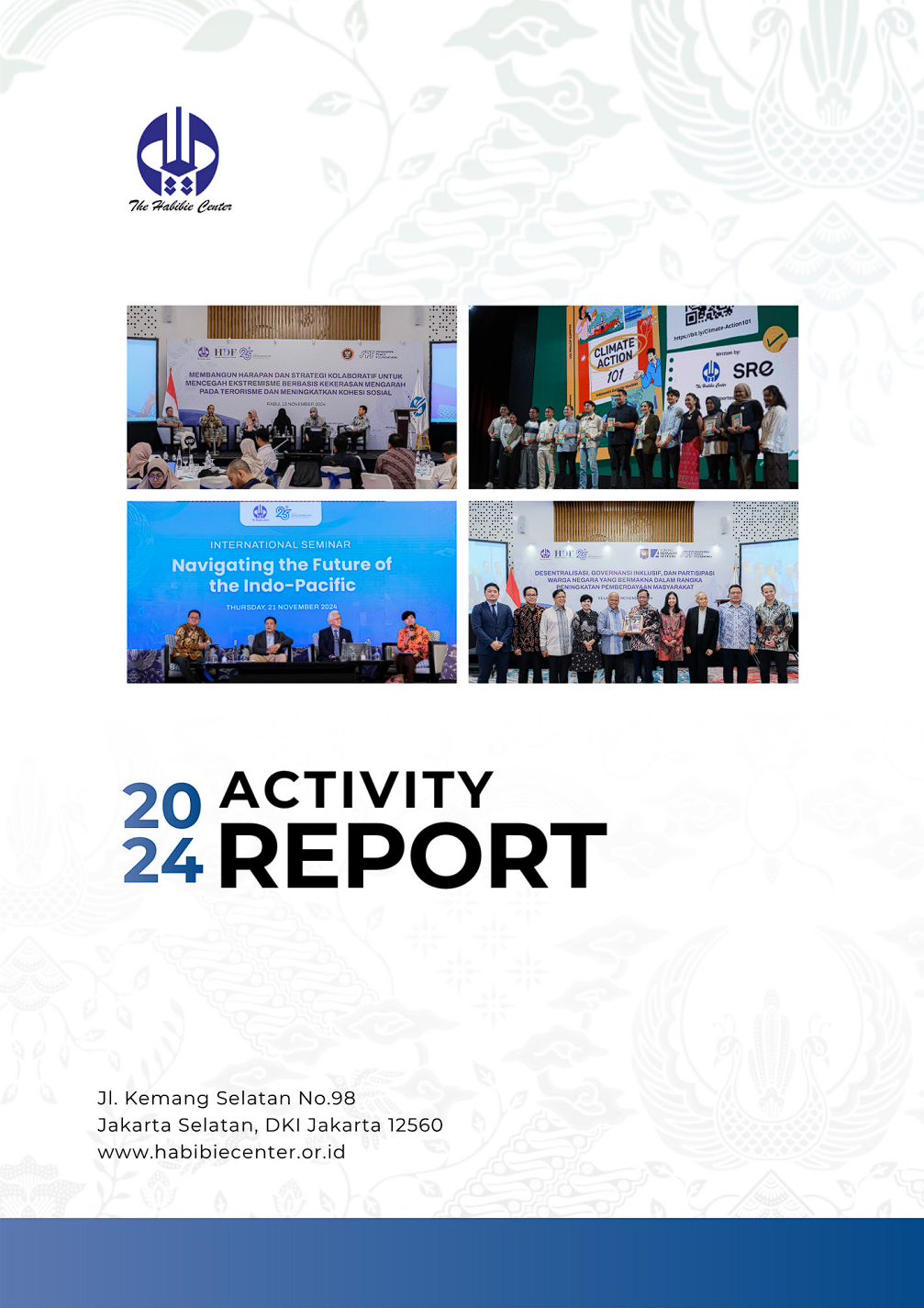
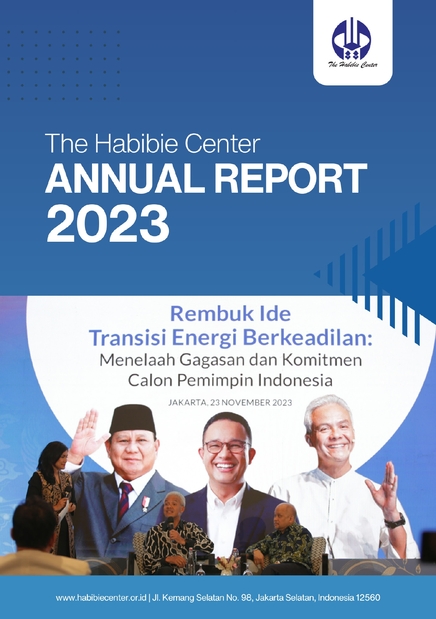
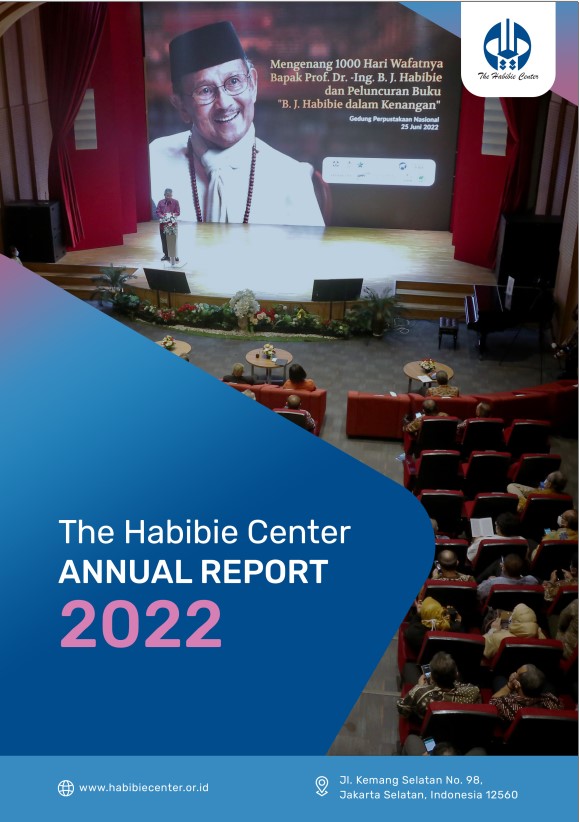
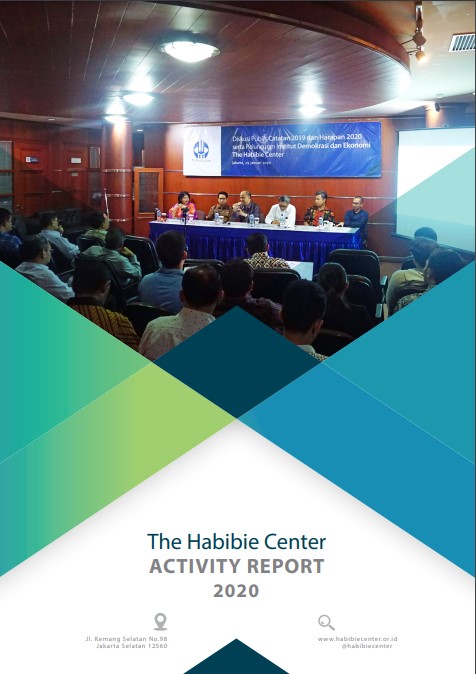
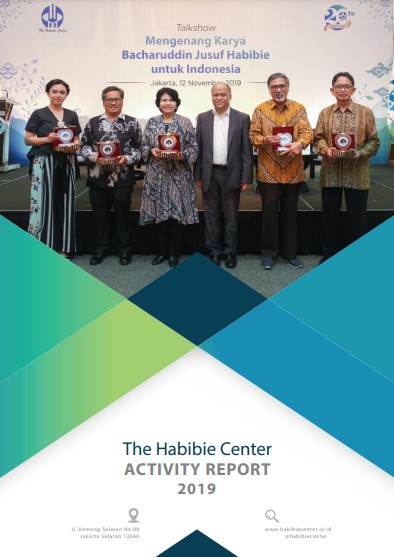
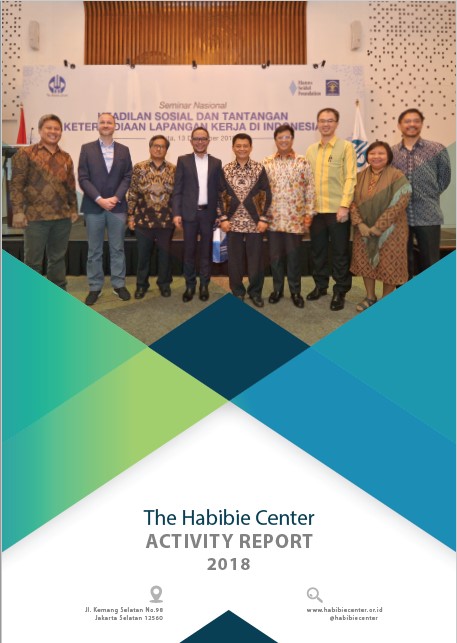
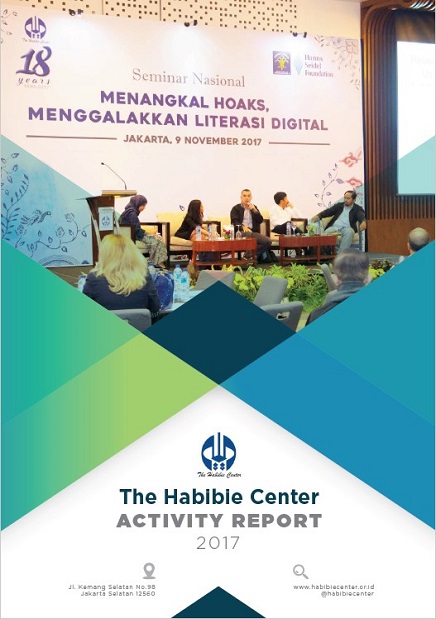
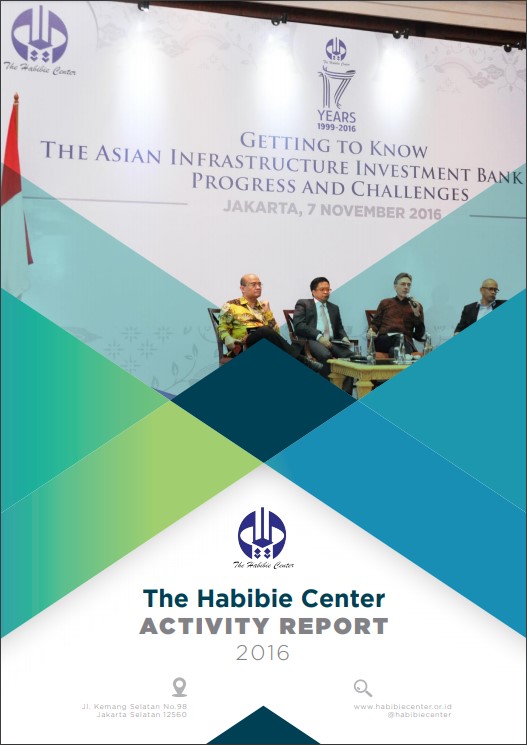
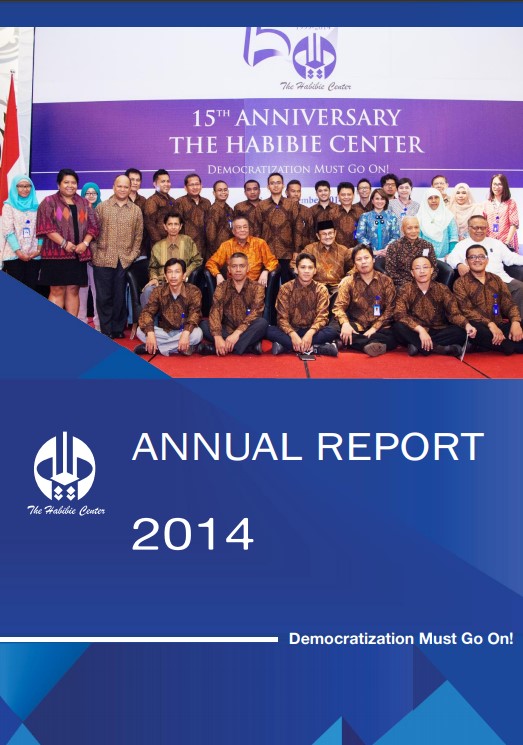
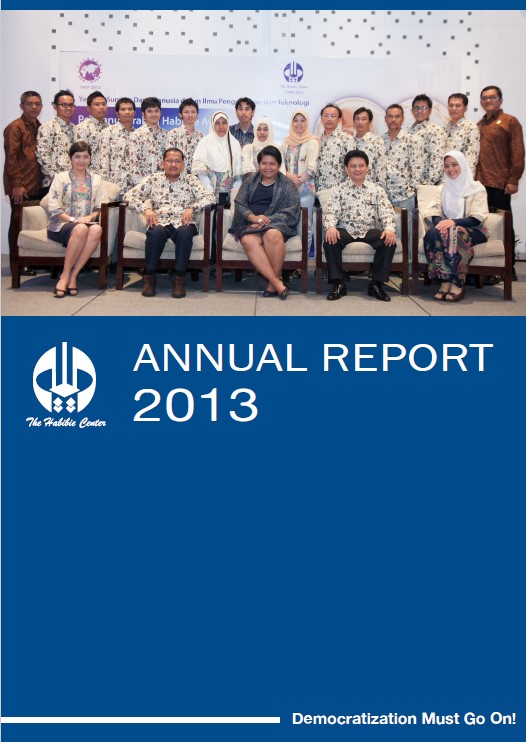
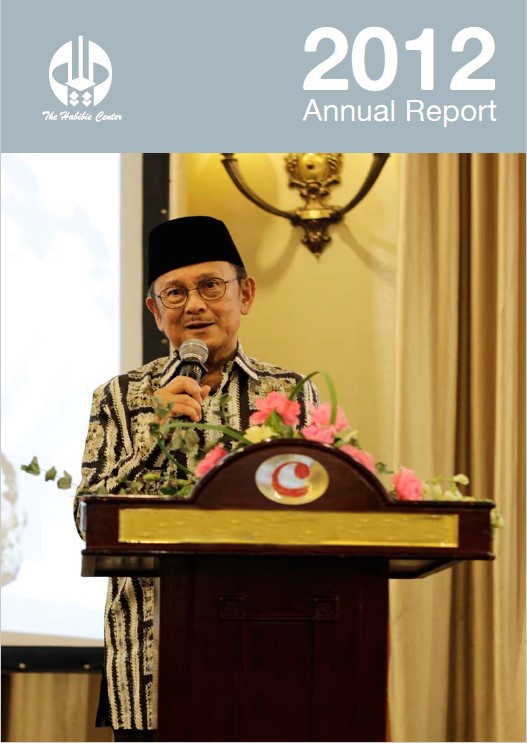
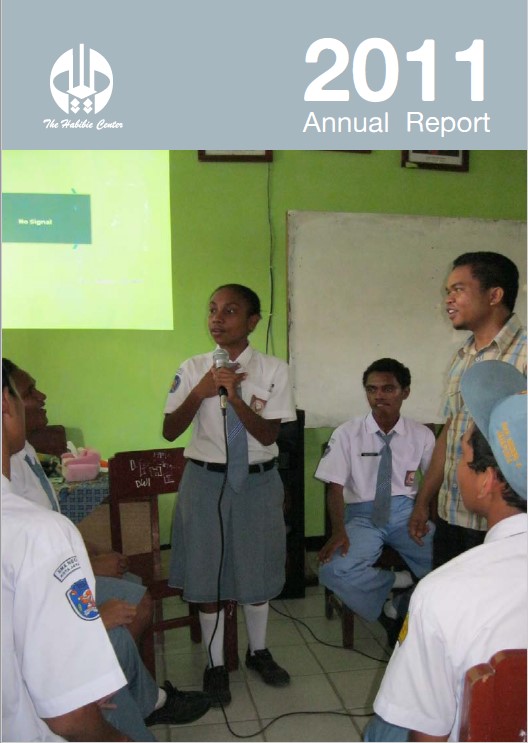
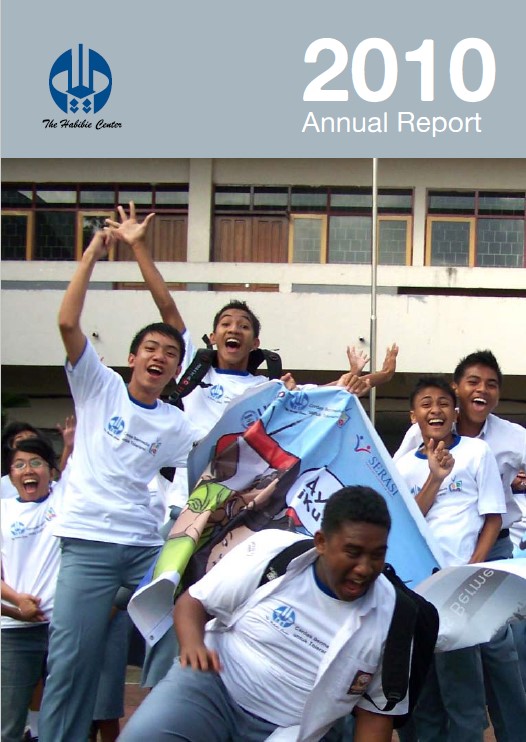
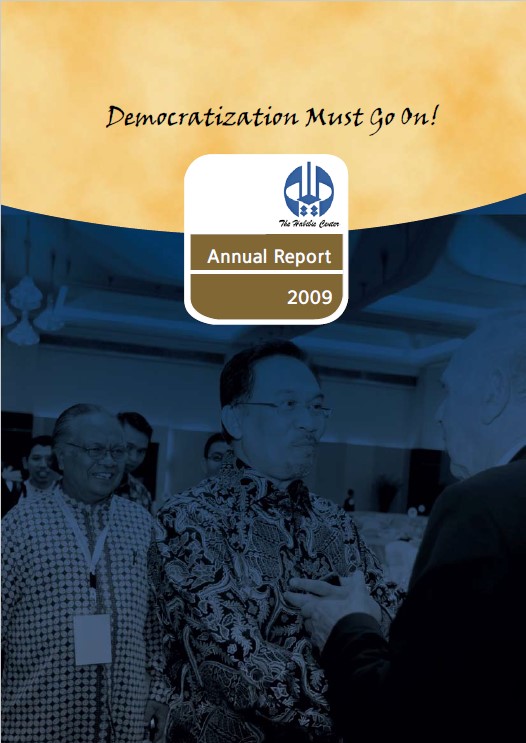
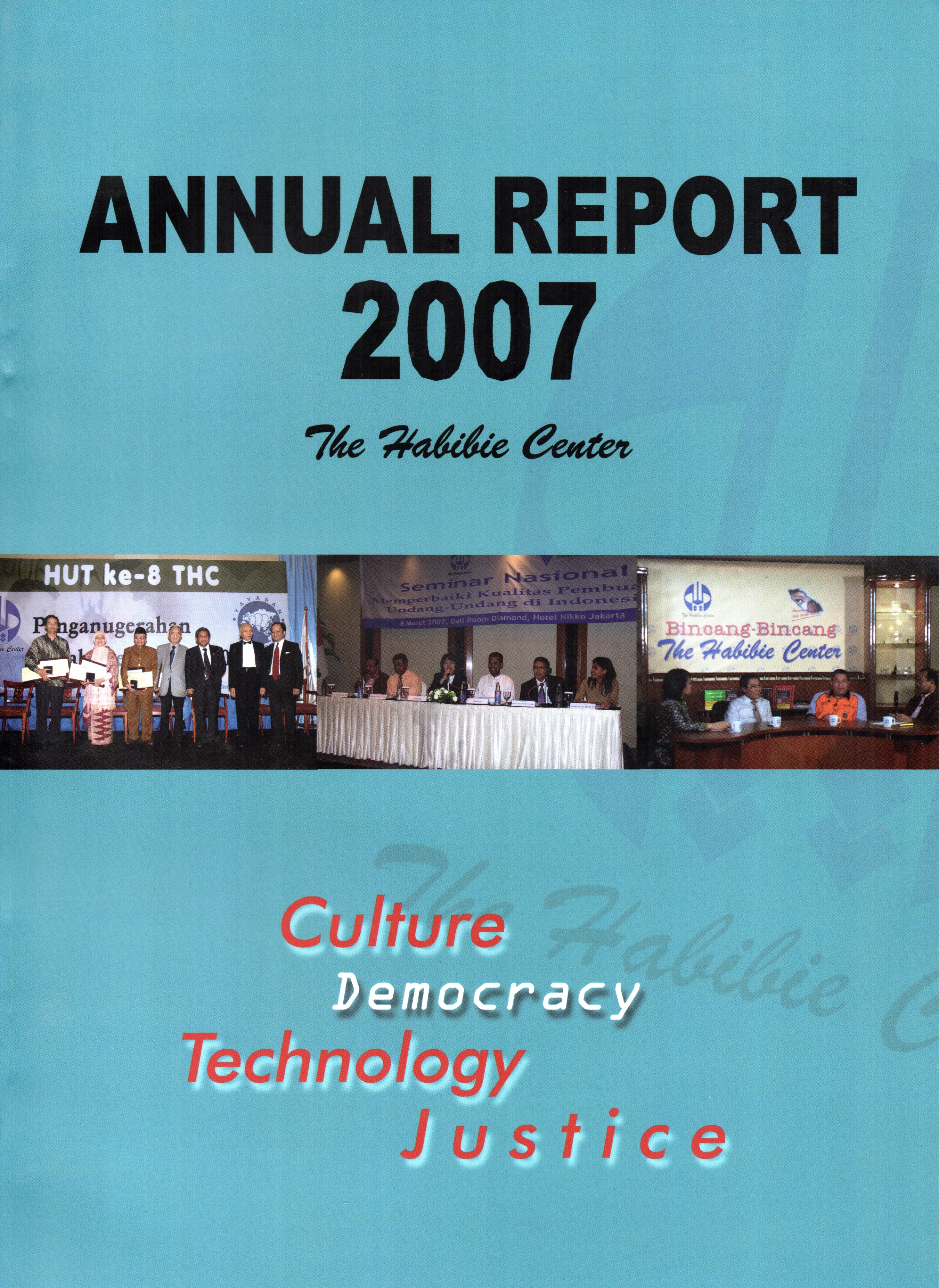
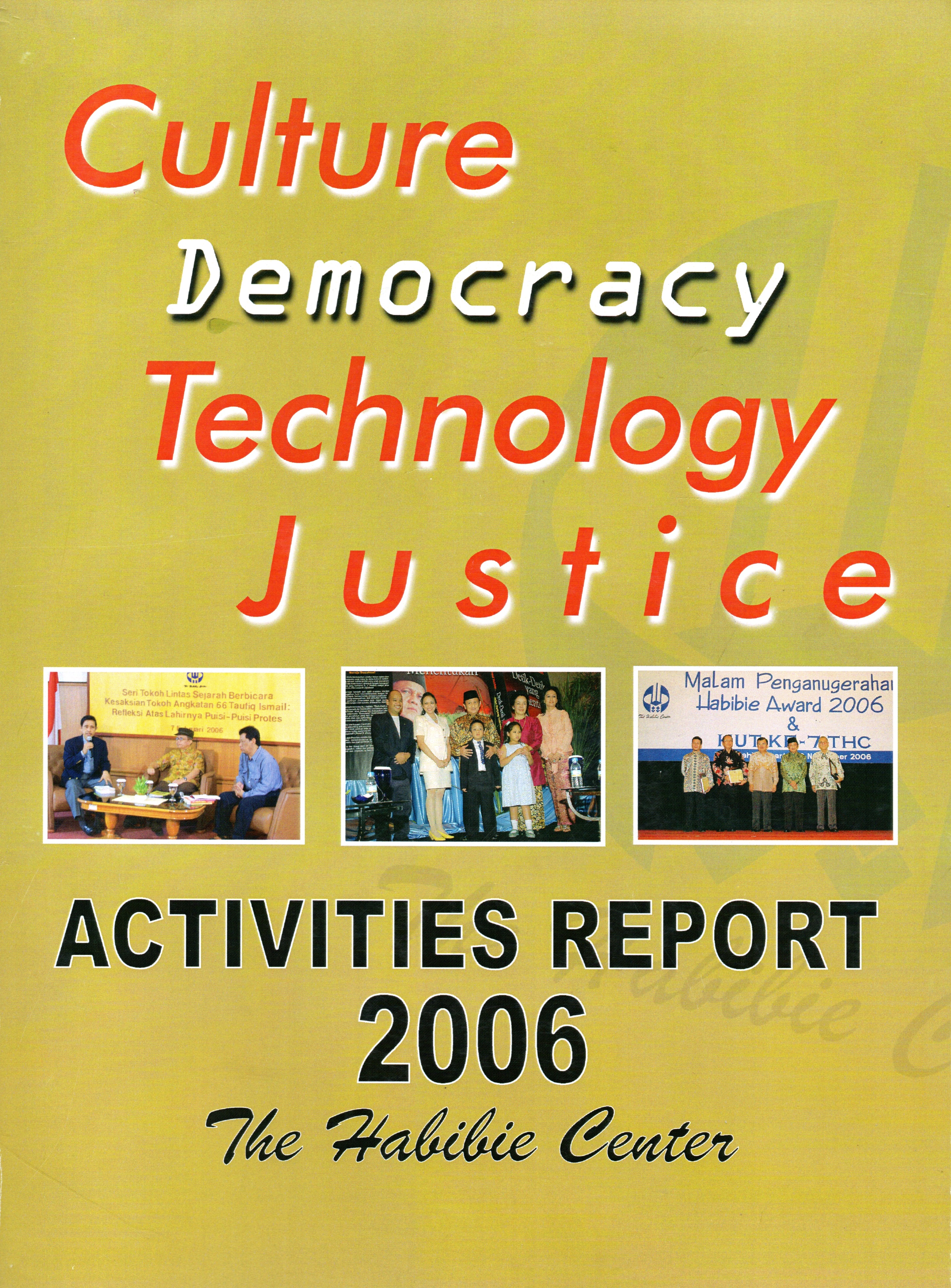
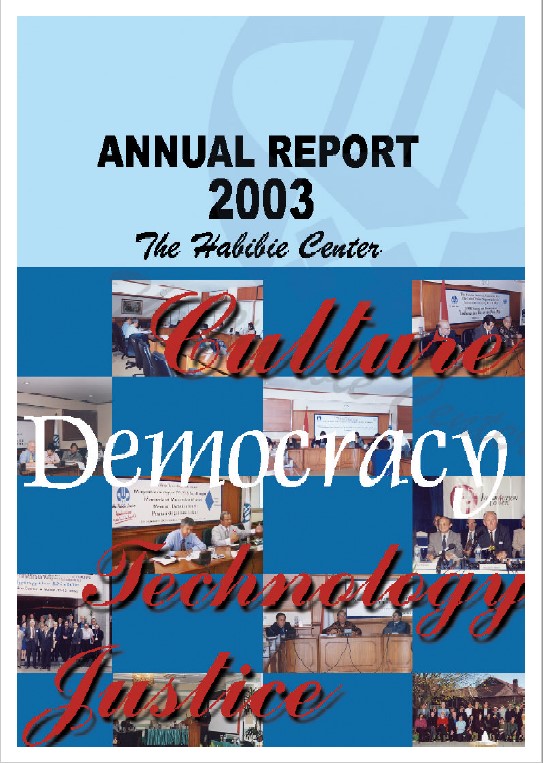
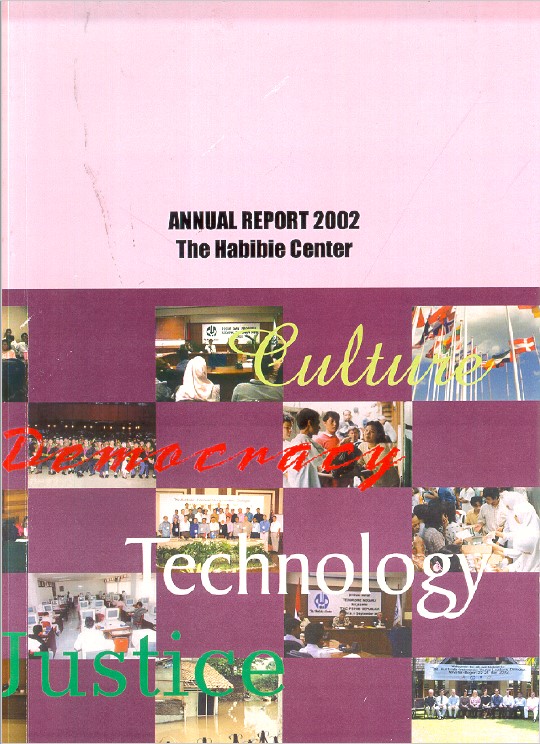
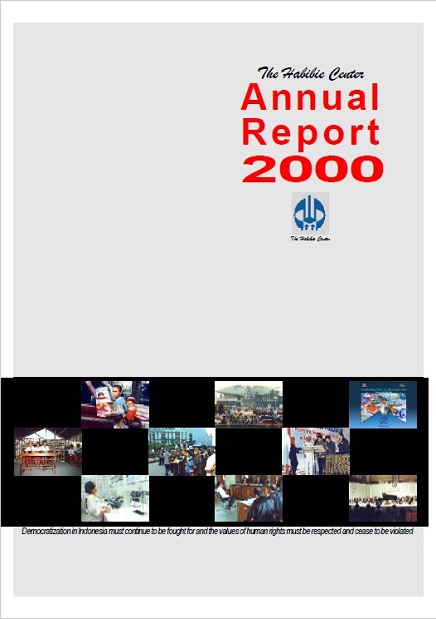
Annual Reports

Working with our partners