
Climate Action
Just Energy Transition
The Energy Transition Program was initiated in 2022 to strengthen research and advocacy for a just energy transition in Indonesia.
just energy transition
The Energy Transition Program was initiated in 2022 to strengthen research and advocacy for a just energy transition in Indonesia.
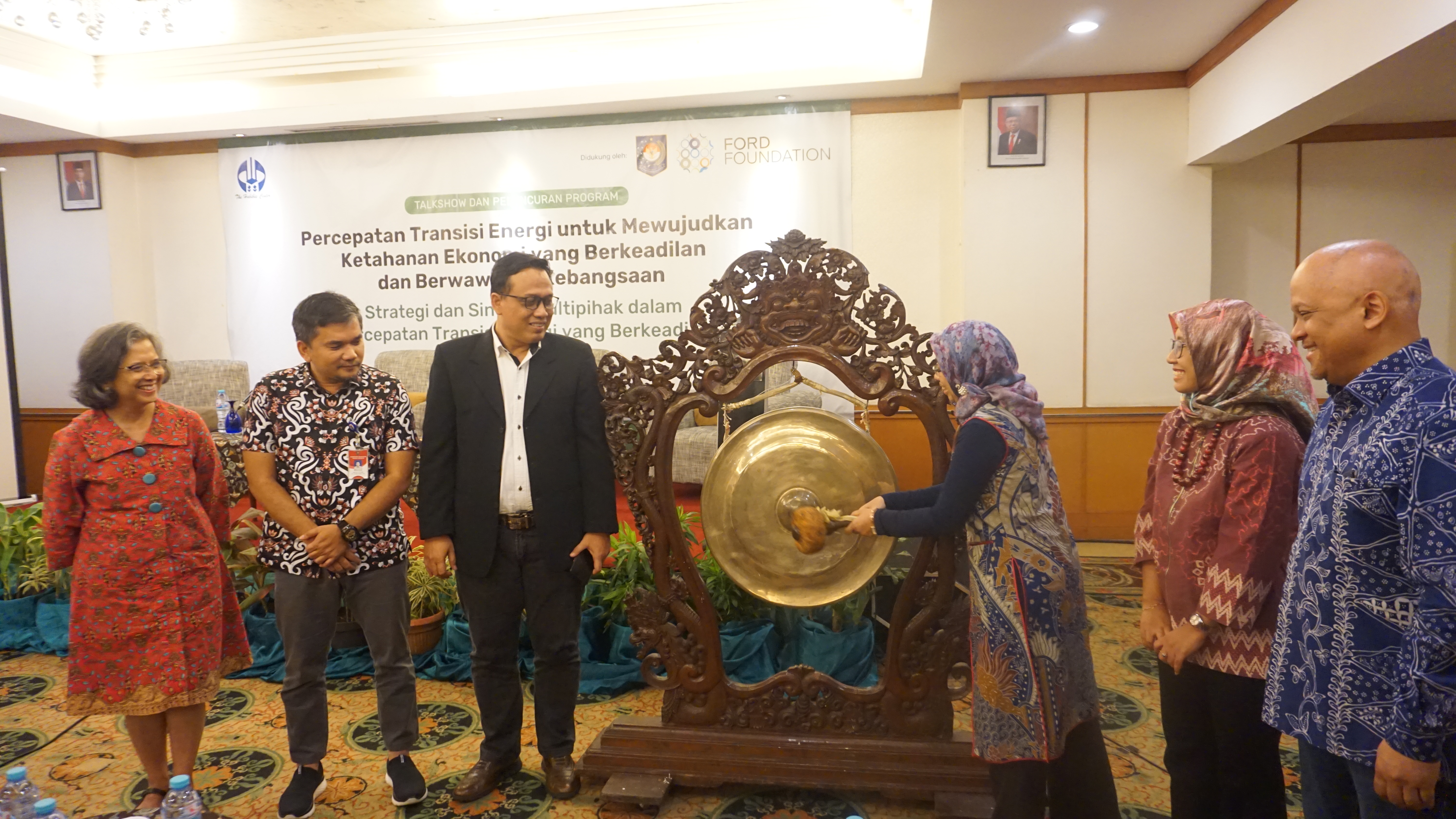 As global awareness of the need for net-zero emissions intensifies, in line with the Paris Agreement signed in 2015 (ratified by Indonesia), the Energy Transition Program reflects The Habibie Center's commitment to contributing to the energy transition efforts aimed at achieving net-zero emissions in Indonesia.
Program Objectives
The objective of the Energy Transition Program is to contribute to Indonesia's efforts in reaching an energy mix target of 23% from renewable energy by 2025 and 31% by 2030, reducing emissions by 29% through domestic efforts and up to 41% with international cooperation by 2030, and achieving net-zero emissions by 2060.
Activities
To achieve these objectives, The Habibie Center has produced a guidebook on a just energy transition, which provides insights into aligning energy transition, economic resilience, and national values towards the realization of energy democratization in Indonesia.In addition, The Habibie Center engages with various relevant stakeholders in Indonesia through Focus Group Discussions, Calls for Papers, and a national energy transition conference to raise awareness of shared responsibility in achieving net-zero emissions.
Beyond GDP
ASEAN Studies
The ASEAN Studies Program was established on February 24, 2010, as a center of excellence in ASEAN to develop the 2015 ASEAN Community.
For half a century, Indonesia has positioned itself as one of the fastest-developing nations globally, becoming an internationally recognized country through its sustainable development programs.
ASEAN Studies Program
The ASEAN Studies Program was established on February 24, 2010, as a center of excellence in ASEAN to develop the 2015 ASEAN Community.
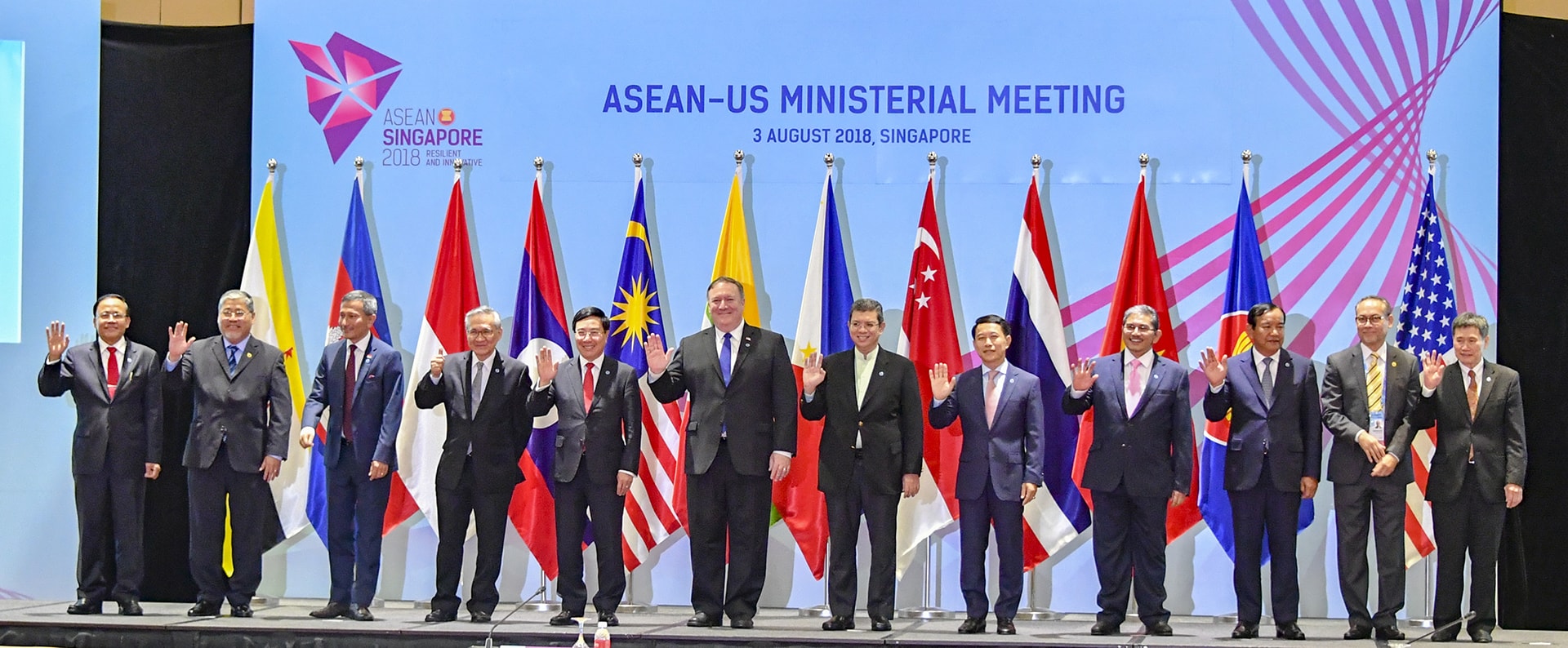 The Habibie Center, through its ASEAN Studies Program, hopes to contribute to the realization of a more ASEAN-oriented society that values democracy and human rights alongside other institutions working towards the same goal.
For half a century, Indonesia has positioned itself as one of the fastest-developing nations globally, becoming an internationally recognized country through its sustainable development programs.
Program Objectives
The ASEAN Studies Program aims to conduct research and discussions among academics and government, and strengthen public awareness by establishing a solid network of civil society in the region. The Habibie Center aims to play an active role in the regional development of ASEAN through this program.
Activities
To achieve these goals, the ASEAN Studies Program carries out routine activities such as Talking ASEAN, a series of public dialogues held monthly covering various ASEAN-related issues. Participants include ASEAN officials, ambassadors, diplomats, academics, students, business leaders, media, and activists.The program publishes a research publication, ASEAN Brief, on developments in ASEAN regionalism, especially in political, economic, and socio-cultural aspects.
Special events organized include the ASEAN-European Union Maritime Cooperation Dialogue and Cultural Forum in ASEAN Regional Perspectives. The team has actively participated in national and international events in countries like the United States, New Zealand, Netherlands, UK, China, Laos, Malaysia, Myanmar, Philippines, and others, supporting peace, stability, and prosperity in the ASEAN Community.
Cerita
CERITA

Program CERITA pertama kali diluncurkan pada April 2017, berangkat dari kekhawatiran akan semakin tingginya polarisasi yang terjadi di masyarakat. Meningkatnya rasa saling curiga, saling hujat, diskriminasi, dan radikalisme yang dipicu oleh penyebaran informasi yang tidak benar (terutama melalui media sosial), yang juga semakin mengancam persatuan dan kesatuan bangsa. Pertentangan pendapat antar masyarakat semakin meruncing dan seringkali menimbulkan gesekan yang berujung pada terjadinya tindak kekerasan atau perundungan.
Aktivitas
Program CERITA mengumpulkan anak-anak muda yang aktif dan berasal dari beragam latar belakang agama, suku, ras, dan golongan dalam suatu workshop yang disebut Kafe CERITA. Dalam workshop tersebut para peserta dilatih cara bercerita, fasilitasi dialog serta transformasi konflik, dengan metode yang interaktif dan menyenangkan. Para peserta juga diajak untuk mengenal dan memahami identitas diri dan orang lain.
Workshop Kafe CERITA didesain dengan berbagai muatan program yang memungkinkan terjalinnya interaksi yang bermakna antara seluruh peserta. Di akhir workshop, para peserta yang memiliki latar belakang berbeda-beda tersebut akan saling berbagi cerita pribadinya masing-masing. Para peserta dapat lebih mengenal satu sama lain melalui cerita-cerita kisah hidup yang dibagikan, serta melalui interaksi yang terjalin sepanjang workshop.
Tujuan Program
Tujuan Program CERITA
- Tujuan 1
Memperkuat kohesi sosial dan meredam ketegangan yang berlatar belakang perbedaan suku, agama, budaya, dan golongan.
- Tujuan 2
Menghasilkan konten positif sebagai narasi alternatif di media sosial.
- Tujuan 3
Menciptakan ruang yang aman, beragam dan inklusif di dalam komunitas.
Elemen Program
Elemen Program CERITA
- Kafe CERITA
Rangkaian workshop untuk para pemimpin muda, untuk melatih storytelling dan fasilitasi dialog lintas suku/agama.
- Duta CERITA
Para agen perubahan yang telah dilatih dalam Kafe CERITA. Mereka adalah ujung tombak yang menyebarkan keahlian, pengalaman, dan nilai CERITA ke komunitas yang lebih luas.
- Peta CERITA
Sebuah platform online untuk berbagi dan memetakan cerita dalam format video untuk diakses secara terbuka oleh semua kalangan.
Deteksi
Deteksi is a database on terrorism and counter-terrorism in Indonesia. The Habibie Center (THC) developed this database with the consideration that policies related to terrorism prevention and handling must be based on a...
About the Indonesian Terrorism and Counter-Terrorism Database
Deteksi is a database on terrorism and counter-terrorism in Indonesia. The Habibie Center (THC) developed this database with the consideration that policies related to terrorism prevention and handling must be based on accurate data and information as well as adequate academic studies.
However, comprehensive data that is regularly updated regarding terrorist attacks and counter-terrorism and violent extremism in Indonesia is not yet available and accessible to the general public. THC believes that using this data can support the policy-making process and formulation of strategies for handling extremism and terrorism in Indonesia. For this reason, the main component of this program is to build a database on terrorism and counter-terrorism in Indonesia.
Deteksiindonesia.com is a database that combines the recording of terrorist attack incidents and the handling of terrorism and violent extremism. The handling referred to here includes prevention, law enforcement, and recovery. THC considers it important to record terrorist attack incidents to understand the level of terrorist attacks, the distribution of attacks, the forms of attacks, their impacts, and the issues behind them. In addition, recording counter-terrorism efforts is far more important as a preventive measure that can be carried out by various parties inclusively. Furthermore, this database also provides modules on the use of terrorism and violent extremism databases and efforts to handle them, as well as publication of analysis of the data strengthened by field research.
Tech Talk
Technology has become an increasingly inseparable part of our daily lives. The digital era has given birth to big data and artificial intelligence, leading us into the fourth industrial revolution.
TechTalk
Technology has become an increasingly inseparable part of our daily lives. The digital era has given birth to big data and artificial intelligence, leading us into the fourth industrial revolution.
Computers, which have transformed into microchips, are now embedded in many devices we use every day: mobile phones, cars, watches, televisions, thermostats, refrigerators, and other household appliances. These devices are now labeled "smart" due to their ability to communicate data and operate autonomously.
These technological advancements have changed the way we live, the way we work, and the way we do business. Many businesses and jobs have become obsolete, yet new businesses and job opportunities are also emerging—ones that never existed before. The economic and social impacts of technological progress are immense and will shape our future direction.
Tech Talk is a public discussion program organized by The Habibie Center, specifically the Institute for Democracy through Science and Technology (IDST). The program focuses on issues related to the development and application of technology across various sectors and their impacts. Tech Talk features speakers from business, academia, government, and civil society. Topics discussed have included digital economy, data security, social media, renewable energy, pharmaceuticals, and more.
Democracy Dialogue
Tentang Habibie Democracy Forum 2023
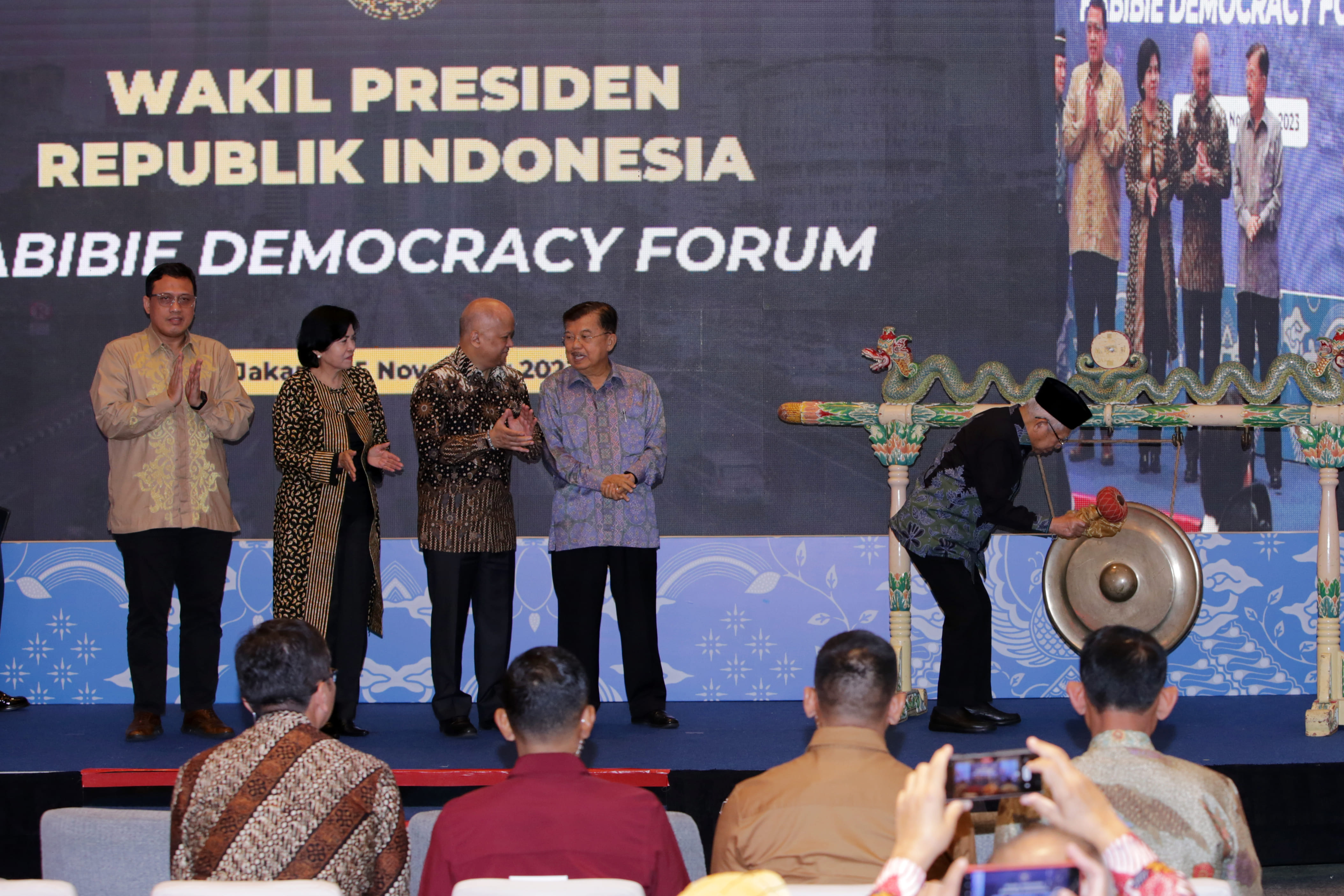
In 2023, the Habibie Democracy Forum was held for the very first time.
Carrying the overarching theme “Expanding Civic Space for a Stronger Democracy in Indonesia and the Region,” the Habibie Democracy Forum 2023 took place on November 15–16, 2023, at Hotel Le Meridien Jakarta. It was officially opened by the 13th Vice President of Indonesia, Prof. Dr. (H.C.) K.H. Ma’ruf Amin, and the 10th and 12th Vice President of Indonesia, Dr. (H.C.) Drs. H. Muhammad Jusuf Kalla.
As a platform to respond to the growing global trend of shrinking democracy and human rights—particularly regarding freedom of expression, association, and assembly—the 2023 Habibie Democracy Forum successfully fostered discussions on several key and relevant issues in Indonesia. Topics included the 2024 General Election and the Prospects of Democracy in Indonesia; Reflections on Anti-Corruption Efforts in the Post-Reform Era; Advancing Democratic Governance for Fair Environmental and Natural Resource Management; Promoting Ethical Artificial Intelligence for an Integrity-Based Democracy; and Legal Reform to Expand Civic Space.
Several policy recommendations were formulated during the 2023 Habibie Democracy Forum. Among them were strengthening the role of civil society in advancing democratic values and practices based on Pancasila and the 1945 Constitution through the creation of meaningful political participation spaces that uphold inclusivity and collaboration; enhancing critical thinking, media literacy, and political literacy within civil society through participatory activities to sustain and develop democratic values; and accelerating the ratification of the Asset Confiscation Bill for perpetrators of corruption, optimizing the use of additional criminal penalties for restitution as regulated in the Anti-Corruption Law and the Anti-Money Laundering Law, as well as advancing the Procurement Bill to strengthen efforts and the effectiveness of anti-corruption initiatives in Indonesia.
About the Democracy Dialogue
The Democracy Dialogue is an integral part of the Habibie Democracy Forum, providing a space for meetings and discussions on democratic values and practices in Indonesia. The dialogue aims to serve as a forum for exchanging opinions, perspectives, and experiences, as well as a medium for advocacy and raising public awareness about democratic principles and practices.
The Democracy Dialogue is designed to be inclusive, involving representatives from government, parliament, non-governmental and civil society organizations, academia, the general public (including foreign participants), as well as students.
In 2024, the Democracy Dialogue will be held regularly from June to October leading up to the Habibie Democracy Forum. Each session will focus on specific themes related to democracy and the dynamics of the 2024 General Election, inclusive policymaking in democratic governance, and anti-corruption efforts. Through this, the Democracy Dialogue will serve as a space for exchanging ideas to achieve the broader goals of the Habibie Democracy Forum.
Habibie Democracy Forum
The Habibie Democracy Forum is rooted in the spirit of “democracy without end” inherited from Prof. Dr.-Ing. B.J. Habibie. This spirit is founded on the belief that Indonesia can serve as an alternative model of democracy for the world, given its pluralistic society that continues to uphold unity. History records that Indonesia has experienced numerous democratic dynamics since successfully undergoing its transition to democracy in 1999 up to the present day.
Carrying this enduring commitment to uphold democracy, The Habibie Center established the Habibie Democracy Forum as a platform designed to facilitate dialogue among various stakeholders concerned with democracy and human rights in Indonesia. The forum aims to gather and unify ideas to improve the quality of democracy. By upholding the values of inclusivity and collaboration, the Habibie Democracy Forum serves as an accessible space for all segments of society—including political parties, civil society organizations, academics, the media, and youth groups—to promote future democratic consolidation.
Objective
The Habibie Democracy Forum aims to promote, protect, and strengthen the values, institutions, and practices of democracy in Indonesia. The forum focuses on key issues such as democratic governance, human rights, the rule of law, electoral processes, and public participation. Specifically, the Habibie Democracy Forum aspires to be a democratic space that promotes democratic values, strengthens democratic institutions, advances civic education, safeguards electoral integrity, and advocates for democratic policy reform.